AI Education in Pakistan: Building a Community-Based Movement
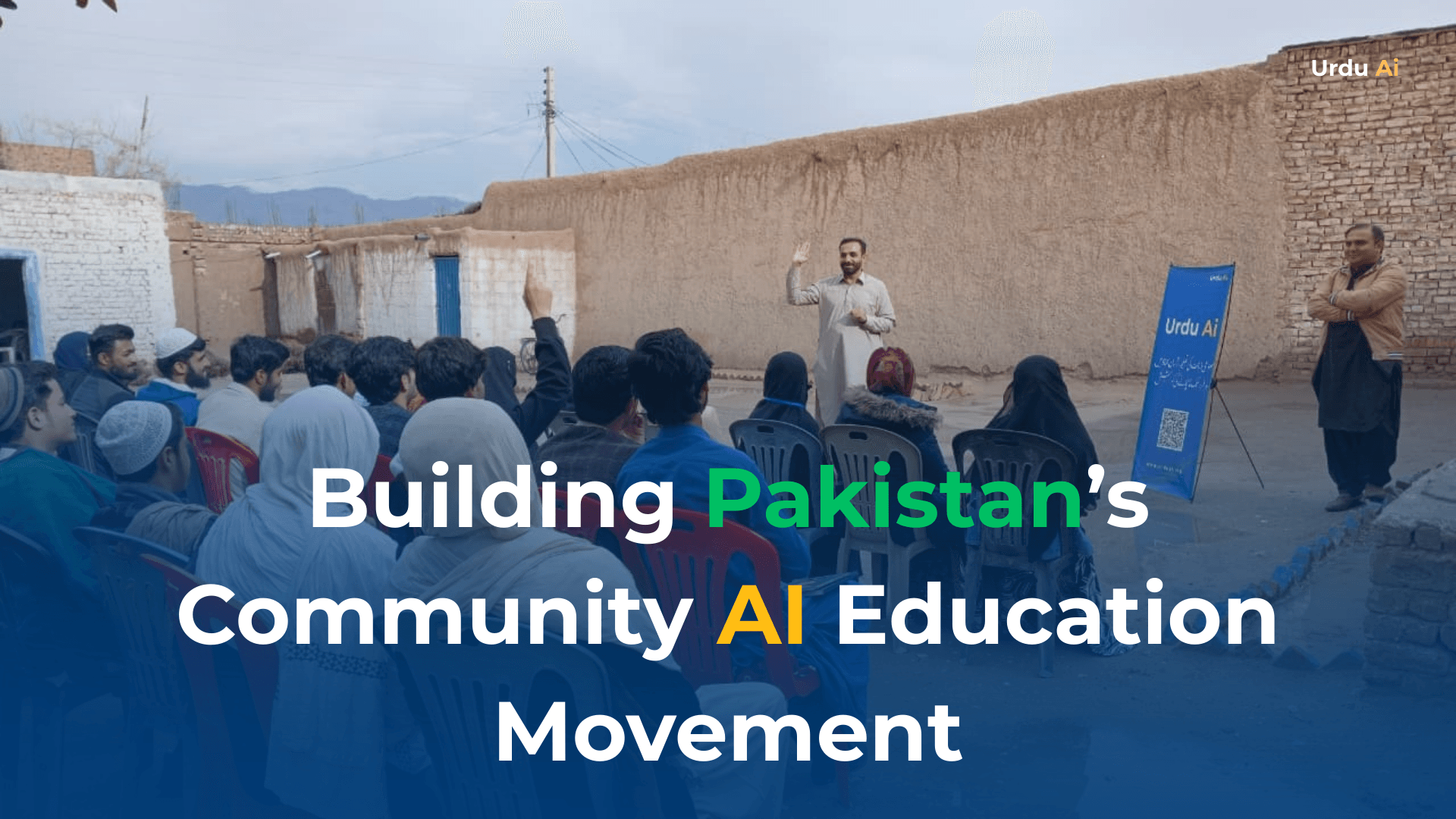
Forty million people. That’s how many Pakistanis encounter Urdu AI content each month, more than the population of Canada. But in a classroom in Taunsa Sharif, when a young facilitator teaches her first AI workshop, the number that matters is eight. Eight students who’ve never touched Google Gemini. Eight people who thought “artificial intelligence” was a foreign concept, not a tool they could master in their mother tongue.
This is the paradox at the heart of Pakistan’s AI education movement: reaching millions requires starting with one.
📊 Urdu AI by the Numbers
- 35-40 million monthly reach across digital platforms
- 1 million+ combined followers across TikTok, Facebook, X, LinkedIn, and Instagram
- 30 trained facilitators delivering workshops nationwide
- 4 provinces covered with both male and female facilitators
- 1 language making AI accessible: Urdu
Pakistan’s Largest Urdu AI Learning Platform
With 1 million combined followers and 35-40 million monthly digital touchpoints, Urdu AI has become Pakistan’s most-accessed AI education platform in any local language. But scale alone doesn’t create transformation. Three months ago, we asked our community a single question: “Who will teach AI in districts where English is a barrier, not a bridge?”
The answer came from within. Thirty facilitators (teachers, youth leaders, civil society workers) stepped forward to translate digital reach into physical presence. Through WANG, we launched the Urdu AI Dost initiative to ensure that AI education in Pakistan remains accessible, inclusive, and grounded in local realities.
To put this in perspective: Urdu AI’s monthly reach exceeds the combined populations of Lahore and Karachi. Our facilitator network covers more geographic territory than most university systems. And we’re growing at a pace that formal education infrastructure simply cannot match.
30 Facilitators, One National Network
Our network of 30 Urdu AI Dost facilitators spans all four provinces, from Khyber Pakhtunkhwa to Sindh, Balochistan to Punjab. They are both male and female, reflecting the diversity of communities they serve. What unites them isn’t geography or credentials. It’s a shared recognition: AI literacy can’t be imported. It must be cultivated from within.
The word “Dost” in Urdu means a friend, someone who understands you, values your curiosity, and supports your growth. DOST also represents Digital Opportunities for Social Transformation, reinforcing our belief that technology should expand inclusion, dignity, and opportunity.
In Jamshoro, facilitators adapted prompt engineering concepts using local textile design examples. In Lasbela, educators translated AI ethics frameworks through fishing industry case studies. The curriculum may be standardized, but its application is radically local. Thirty facilitators, thirty distinct approaches, one coherent movement.
Overview of the Urdu AI Dost community facilitator program.
From Digital Reach to Local Rootedness
Here’s how reach becomes impact: 40 million monthly impressions create awareness. 1 million followers generate ongoing engagement. But behavior change happens when someone in your district, speaking your language and understanding your context, sits across from you and says: “Let me show you how this works.”
Our digital platform identifies demand. Our facilitator network meets it. Questions raised in physical workshops inform content on the digital platform. Solutions discovered online get tested in real-world settings. This isn’t parallel programming. It’s integrated design.
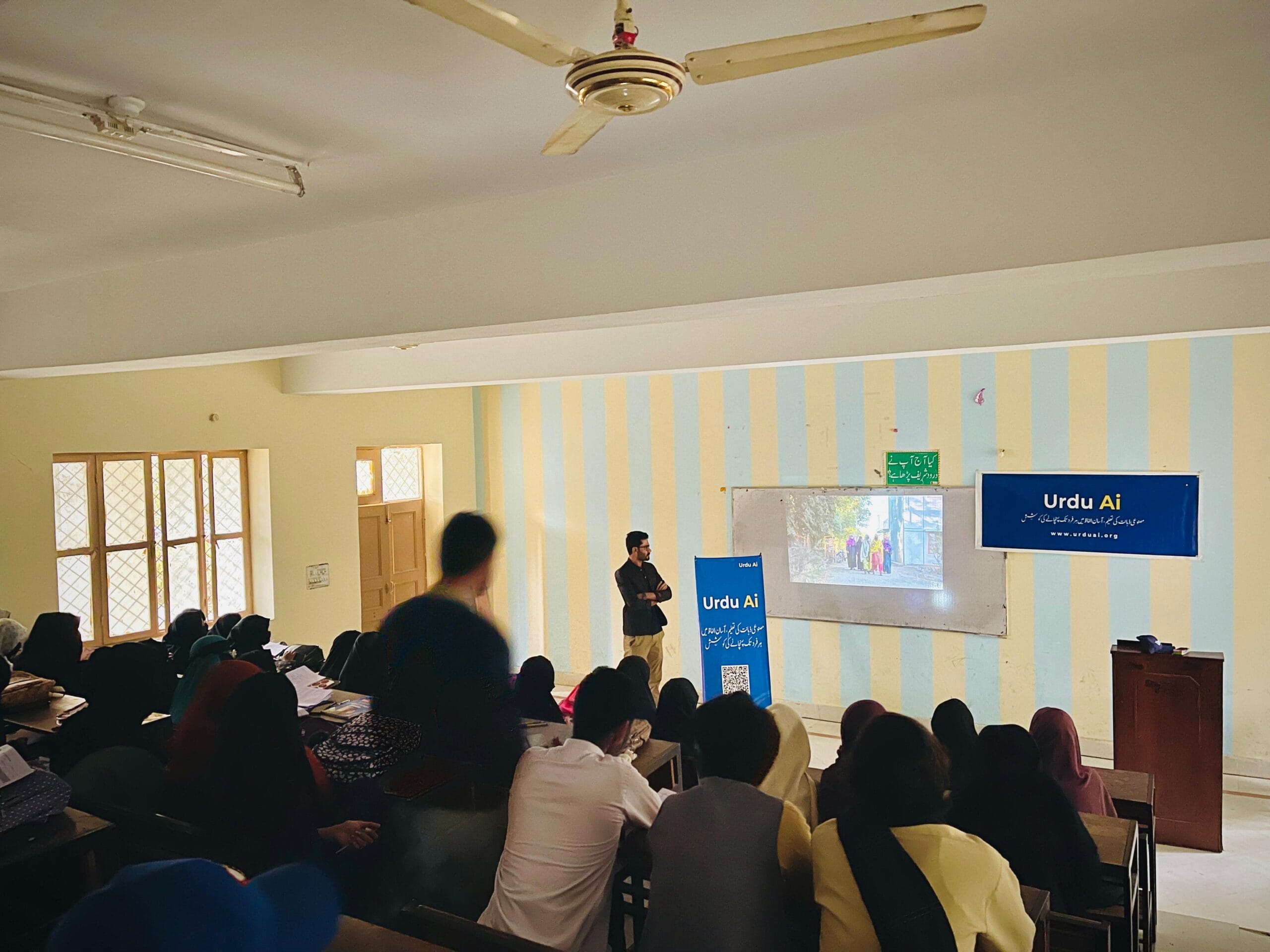
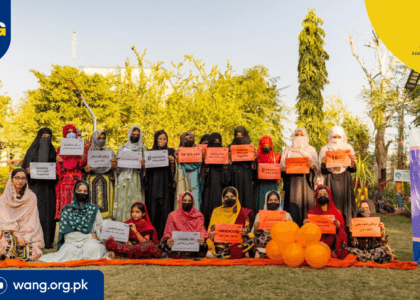
In Taunsa Sharif, facilitators guide first-time learners through structured AI sessions, transforming curiosity into capability.
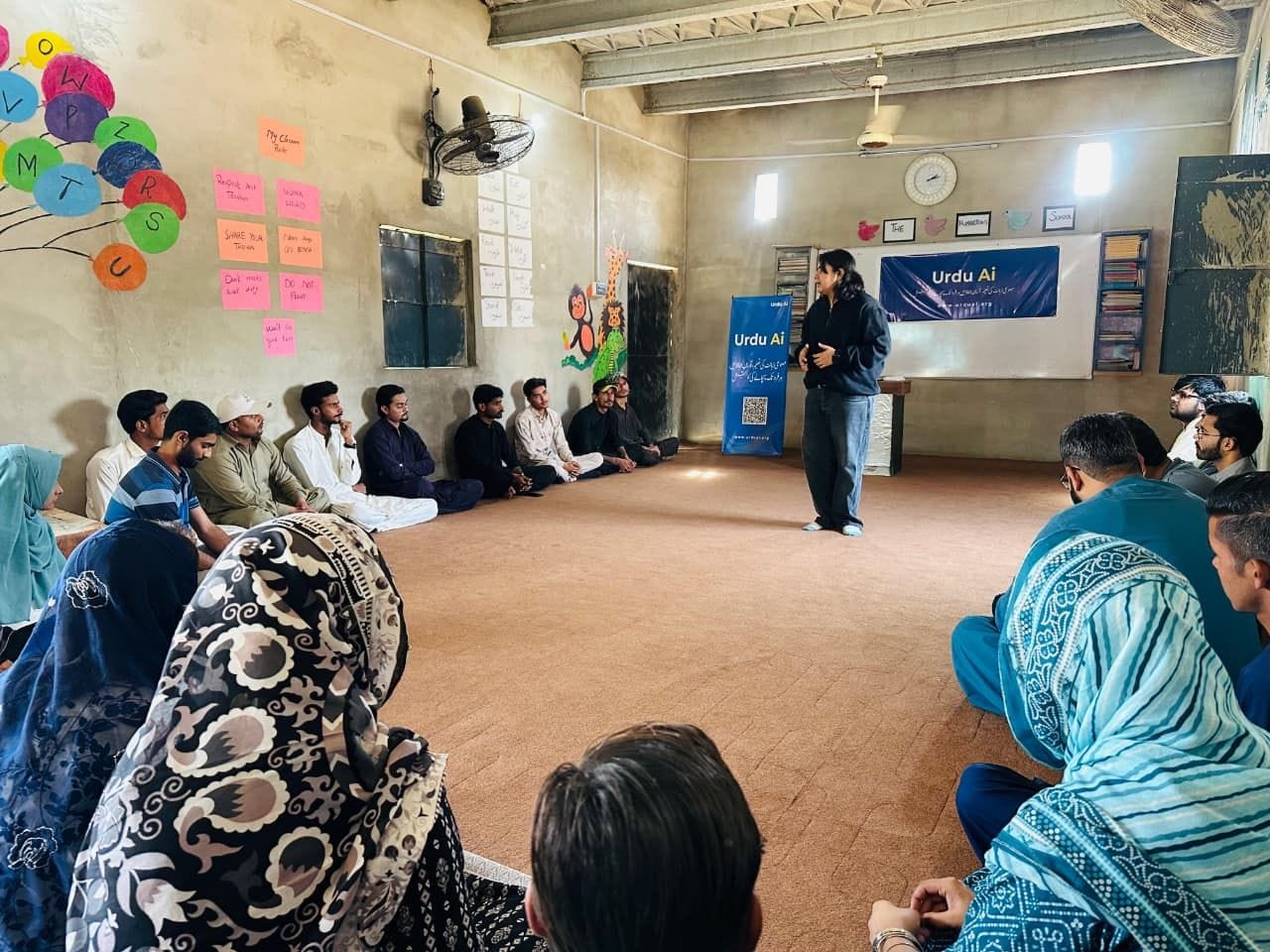
AI literacy session in Jamshoro, Sindh, where educators spent hours learning to teach AI ethics in Urdu.
Why Community-Based AI Education Works
Across Balochistan, Sindh, Punjab, and Khyber Pakhtunkhwa, young people aren’t asking if they should learn AI. They’re asking how, and who will teach them in a language they trust. Talent is everywhere. Curiosity is strong. What communities need is structured access delivered by people who understand local context.
As automation reshapes work globally, education must evolve from memorization toward judgment, critical thinking, and ethical technology use. AI education in Pakistan must therefore move beyond demonstrating tools. It must build capacity for thoughtful application.
Thirty percent of our facilitators are women, delivering AI education in contexts where female learners often lack access to male-led technical training. In conservative districts, this isn’t a footnote. It’s the difference between reaching half a community and reaching all of it.
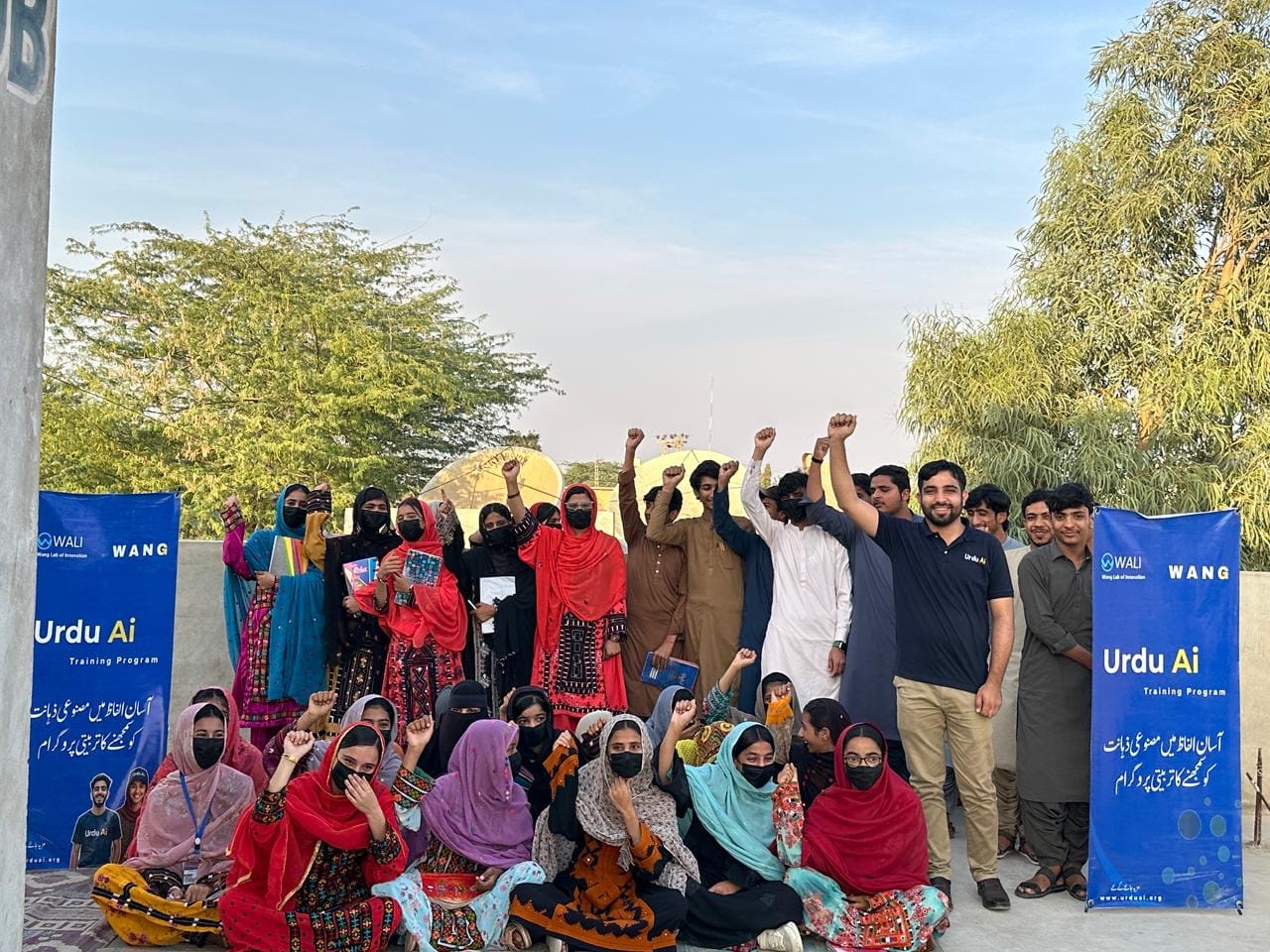
Urdu AI workshop in Lasbela, where facilitators adapted AI concepts to local industry contexts.
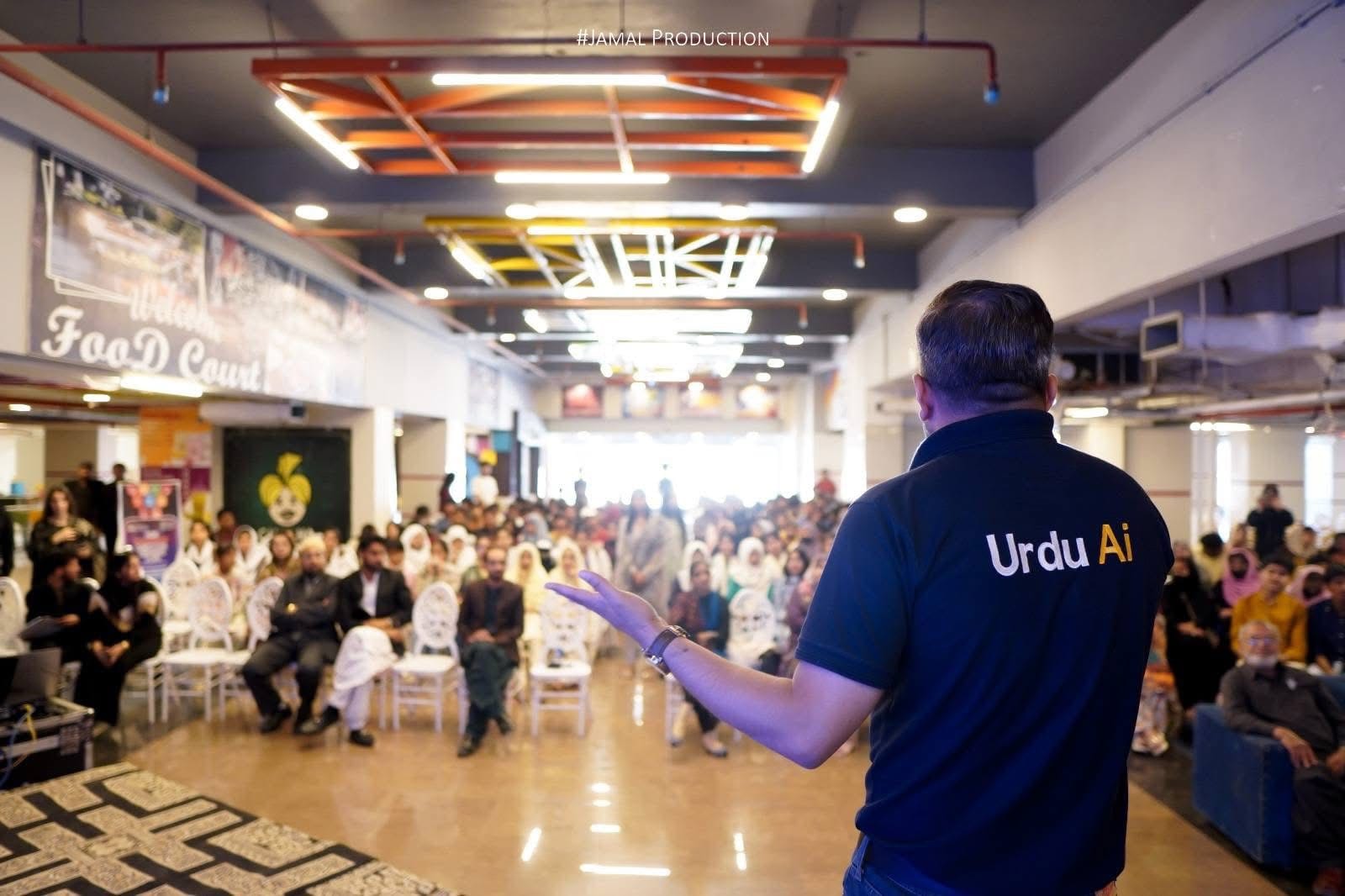
Youth gathering in Hyderabad focused on AI education. The most visible change isn’t just technical skill, but confidence in applying technology responsibly.
What Comes Next
By year’s end, we’ll have trained 50+ facilitators. Our digital platform will reach 60 million monthly. But the number that will define success? The thousands of Pakistanis who, for the first time, built an AI tool, taught an AI concept, or solved a real problem using technology they can finally access in their own language.
This is what educational equity looks like at scale: millions served, one learner at a time.
This initiative is part of the AI Opportunity Fund: Asia-Pacific, implemented in collaboration with
AVPN,
supported by
Google.org,
and the
Asian Development Bank (ADB).
Follow us: TikTok •
Facebook •
X •
LinkedIn •
Instagram
@urduaiorg
For collaboration inquiries, contact
ai@urduai.org.