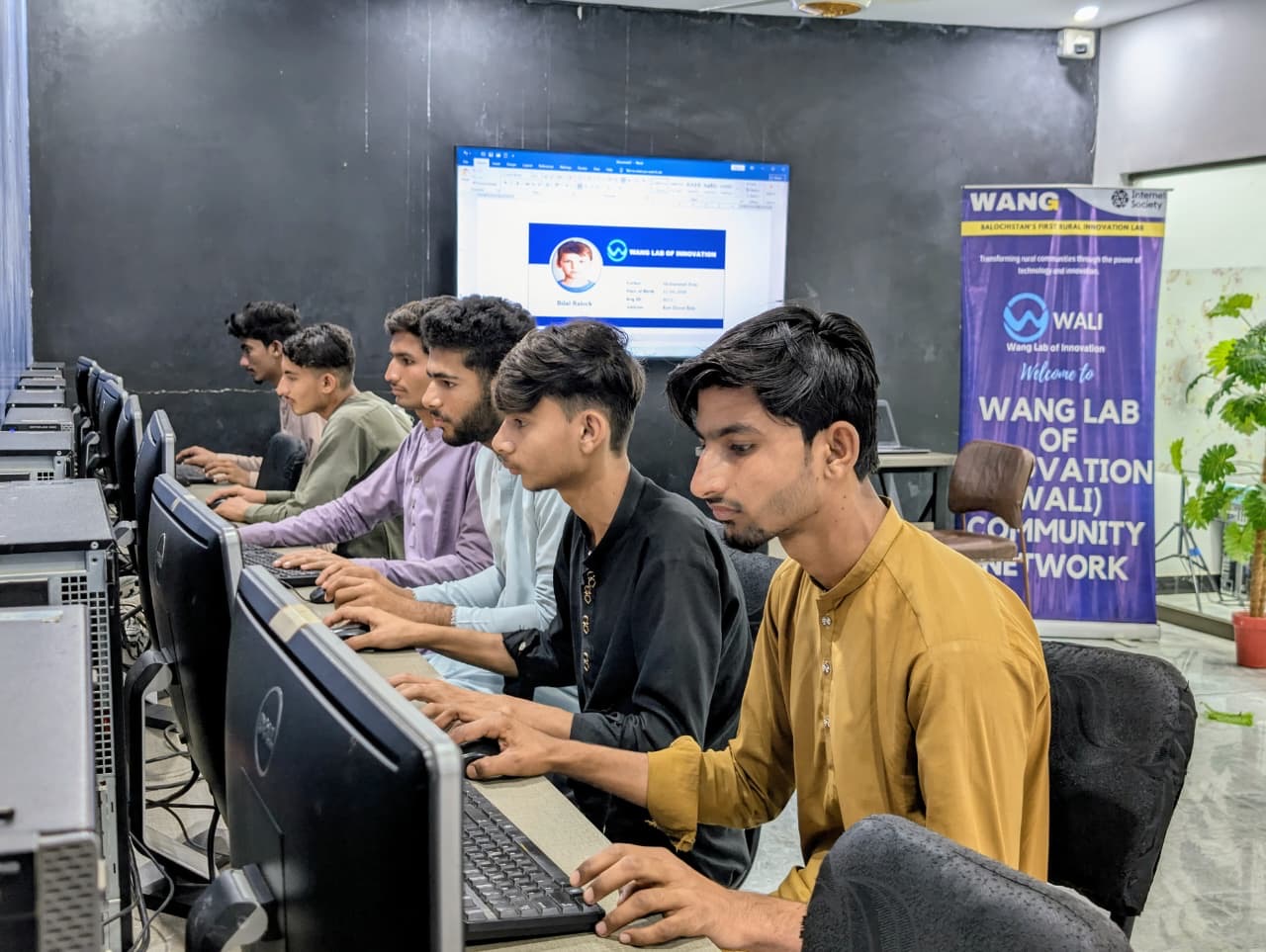
WANG's New Wali Lab Empowers Balochistan's Youth
A non-profit organisation in Balochistan is tackling a significant problem. They empower local communities through a new initiative. The organisation, WANG, recently launched a "
wali" lab in Lasbela. This new project aims to equip young people with the skills they need for a more secure future.
The
wali lab, which translates to 'Guardian's Lab', offers a space for learning and innovation in a region often overlooked. Access to education and training can be limited here. As a result, WANG's new initiative stands as a beacon of hope. This project focuses on providing practical skills training, from digital literacy to creative arts. It helps young people become the 'walis' or guardians of their own futures and communities.
Why the Lab Is Needed
Balochistan, Pakistan's largest province by area, faces multiple challenges. For example, it has limited infrastructure and high unemployment. Therefore, projects like the
wali lab are not just about education. They are about economic and social development. The lab helps bridge the gap between traditional livelihoods and a modern economy by focusing on hands-on training. This localised, human-centric approach creates sustainable change from the ground up.
The Focus on Future Skills
Furthermore, the lab’s focus on technology and innovation could have a long-term impact on the region. Its goal is to nurture a generation of problem-solvers. These individuals can create their own opportunities and, in turn, contribute to community growth. Now, more than ever, we see that digital skills are essential for success, and the lab's curriculum reflects this reality.
A Community-Led Approach
The success of a project like this relies on community buy-in. To this end, WANG ensures the lab is not just a building. It's a hub for collaboration. Local people can take ownership of the resources there. Ideas can be shared and developed. People can find the support they need to turn those ideas into reality. This approach resonates with the principles of community development. It also suggests a model that could work in other parts of the world. For further reading, you can learn more about WANG’s work on their official website.
https://wang.org.pk/. In addition, you can read about their initiatives for education and empowerment in Balochistan.
In conclusion, the ability to adapt and learn new skills is paramount in a world of rapid change. WANG’s launch of the
wali lab in Lasbela, therefore, is a testament to the power of grassroots efforts in creating positive change. It tells a story of a community taking control of its own narrative and, through education, building a better tomorrow. This is an example of what a local organisation with a clear vision can achieve when it works hand-in-hand with the community.